Bitcoin mining is often evaluated through energy consumption, which does not capture how the system actually operates. A more relevant approach is to assess how energy is sourced, used, and improved over time.
Recent research by Daniel Batten on Batcoinz shows that Bitcoin mining ranks first across six ESG measures, including methane mitigation, sustainable energy use, renewable energy share, and emissions intensity. These findings introduce a measurable framework for evaluating mining based on real operating data.
ESG frameworks remain misaligned with real-time mining data, creating a gap between perception and measurable performance.
ESG measurement is moving toward outcomes
ESG evaluation depends on how performance is measured and how data is interpreted. Bitcoin mining produces observable metrics such as the energy mix, emissions intensity, and methane reduction that can be tracked directly.
This creates a structured basis for assessment that relies on measurable outcomes rather than assumptions. Many ESG models still rely on static or outdated data, which can distort evaluations of dynamic systems such as mining. When measurement is based on updated datasets, the environmental performance of mining becomes clearer and more consistent with observed operations.
Mining operates as an energy-linked system
Bitcoin mining connects digital production with physical energy systems in a direct and measurable way. Operations are deployed in locations where energy is abundant, underutilised, or constrained by transmission capacity. These locations include hydro, wind, solar, and methane-based generation sites.
Mining converts this energy into digital output within a competitive environment where efficiency determines performance. This dynamic is explored further in how energy contracts influence Bitcoin mining economics.
Measurable ESG performance in practice
Recent data highlights several measurable outcomes that define the ESG profile of Bitcoin mining. Mining ranks first in profitable methane mitigation with existing technology, in which captured methane is converted to electricity and used directly in operations. Sustainable energy accounts for a significant share of the energy mix, with more than half of mining energy powered by renewable or low-carbon sources.
Emissions intensity continues to decline as efficiency improves and energy sourcing develops. These indicators provide a consistent and measurable basis for evaluating environmental performance.
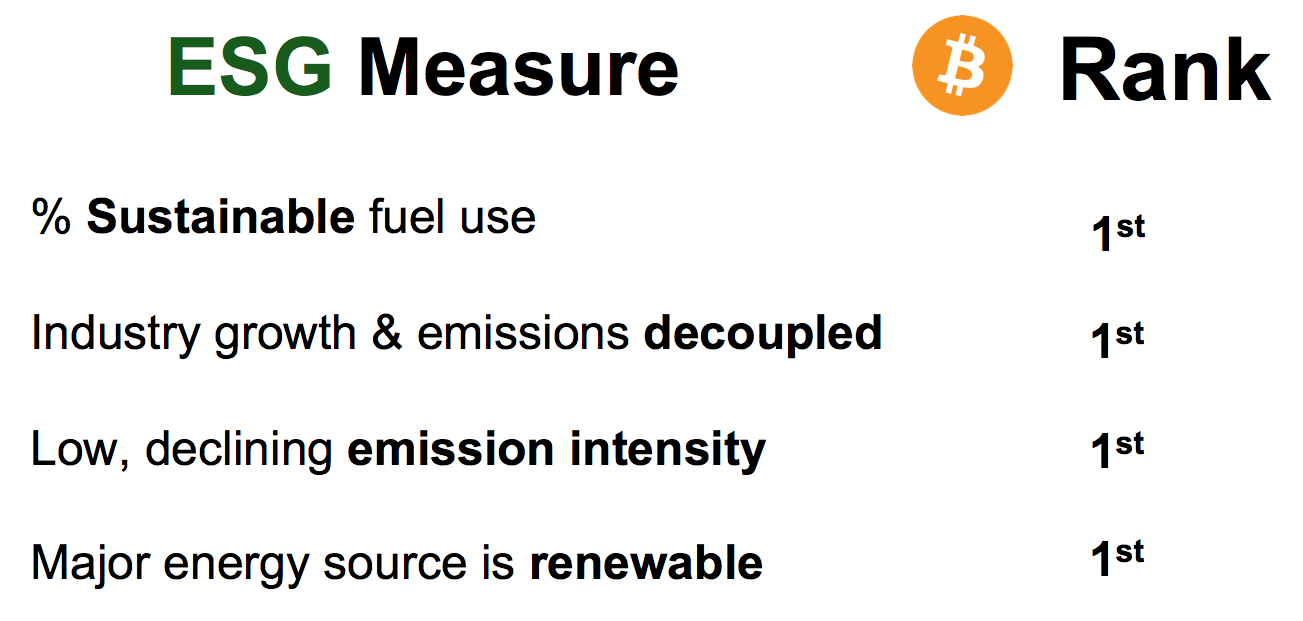 Figure 1: Bitcoin mining ESG performance across key measures. Source: Daniel Batten, Batcoinz, 2026
Bitcoin mining ranks first in sustainable energy use, emissions intensity, and decoupling growth from emissions. These results support a measurable and efficiency-driven ESG profile.
Efficiency and emissions are moving together
Mining performance is increasingly defined by efficiency across both hardware and energy systems. Improvements in mining equipment increase computational output per unit of energy, while changes in energy sourcing reduce the emissions associated with that energy.
This results in declining emissions intensity alongside continued network growth. The relationship between output and environmental cost becomes more important than total energy consumption, as it reflects how efficiently resources are used within the system.
This relationship between efficiency and output is central to understanding how capital efficiency is achieved in Bitcoin mining operations.
Implications for capital allocation
ESG capital allocation depends on measurable performance, data reliability, and consistent evaluation frameworks. When updated metrics are integrated into ESG models, asset classification can change, influencing investment decisions.
Bitcoin mining provides observable indicators across energy sourcing, emissions intensity, and operational efficiency, which align with ESG criteria focused on measurable outcomes. This creates a basis for evaluating mining as an energy and infrastructure system within institutional portfolios.
Investment perspective
Bitcoin mining shows strong performance across key ESG measures, including methane mitigation, sustainable energy use, renewable energy integration, and declining emissions intensity. These indicators support a structured evaluation framework based on measurable outcomes rather than assumptions. As ESG models incorporate updated data, the assessment of Bitcoin mining is likely to develop in line with observed performance.

Grow your wealth with Pantheon Bitcoin mining. Providing sustainable Bitcoin returns for private and institutional investors.
Questions? Talk to the team here.