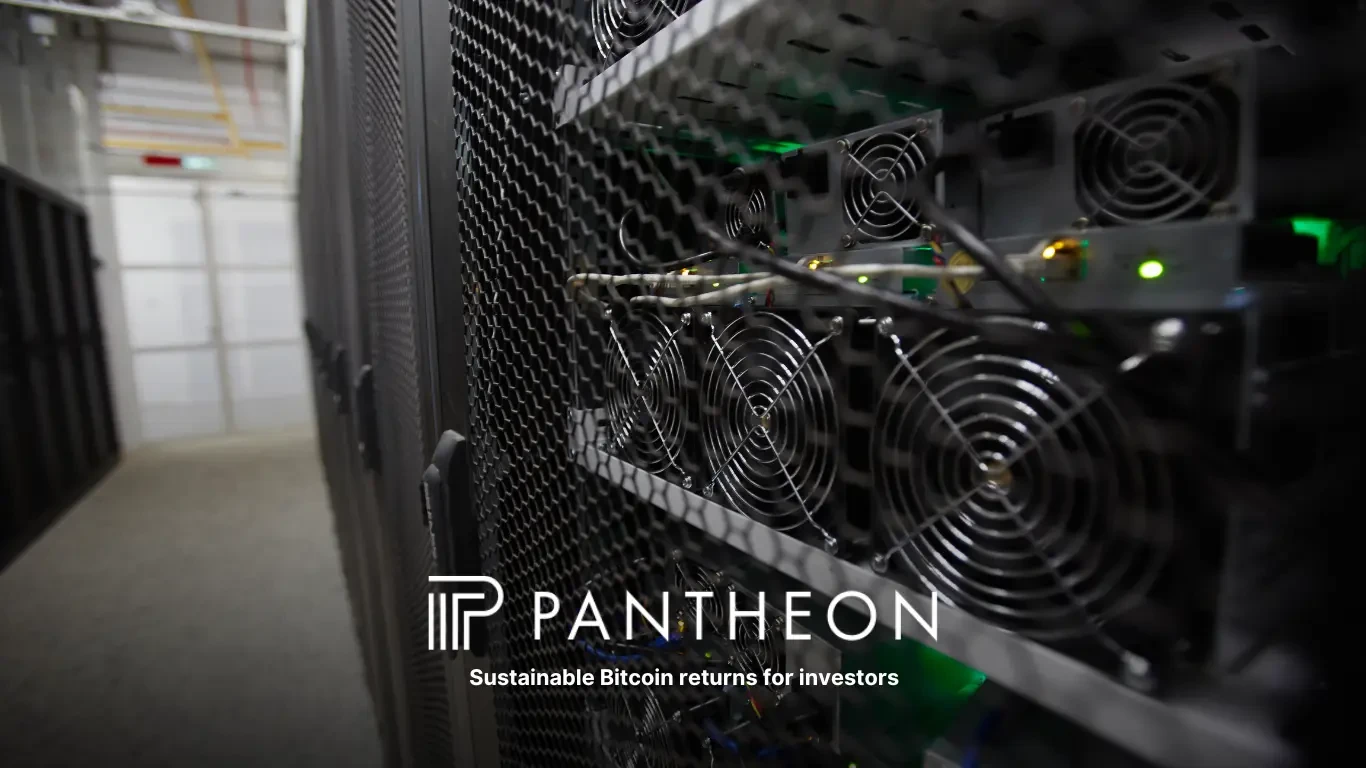
Bitcoin mining is a hardware-intensive business. Every operation runs on ASIC machines (Application-Specific Integrated Circuits, computing devices built exclusively to mine Bitcoin), and those machines have a defined productive life. For investors evaluating a managed mining allocation, understanding how hardware ages, depreciates, and gets replaced is as important as understanding energy costs or network difficulty. It is the variable that most investment analyses skip entirely.
What an ASIC Machine Actually Does
An ASIC miner performs one function: it runs the SHA-256 hashing algorithm billions of times per second, feeding in block header data with a small variable adjusted on each attempt until the output meets the network's current difficulty target. The speed at which it does this is measured in terahashes per second (TH/s). A machine running at 200 TH/s performs 200 trillion hashing attempts every second.
The efficiency of that process is measured in joules per terahash (J/TH), which tracks how much electricity the machine consumes per terahash produced. A lower J/TH figure means the machine produces more Bitcoin per unit of electricity consumed. As new generations of hardware are released, efficiency improves, and older machines become progressively less competitive at any given electricity rate.
The Depreciation Curve
ASIC hardware depreciates faster than almost any other category of industrial equipment. A machine that cost $8,000 at launch and operates at 25 J/TH will be competing within two years against machines running at 15 J/TH or lower, at comparable or lower purchase prices. The older machine does not stop working. It becomes less profitable per unit of electricity consumed, and at some electricity price point, it crosses from profitable to loss-making.
The standard productive life of a current-generation ASIC under normal operating conditions is three to five years. Beyond that window, the efficiency gap between the installed machine and the current generation typically makes continued operation uneconomical at anything above the lowest available electricity rates.
Why the 2028 Halving Makes the Hardware Question Urgent
The 2028 halving will cut the block reward from 3.125 BTC to 1.5625 BTC per block. At that moment, gross revenue per block halves for every miner on the network simultaneously. For machines already operating at thin margins due to age or high electricity costs, the halving can push them below breakeven before the difficulty adjustment has time to respond.
Hardware purchased and deployed in 2024 or 2025 will be two to three years into its productive life when the 2028 halving arrives. Whether that hardware remains viable through the halving depends on two variables: the electricity rate it is running at, and whether it has been refreshed or upgraded before the reward reduction takes effect. Operations with a hardware refresh programme built into their cost model enter the halving in a structurally different position from those running on a single hardware generation with no planned upgrade cycle.
Related: Bitcoin Mining and Duration: Why Time Horizon Defines the Investment Case
The Three Phases of Hardware Value
An ASIC machine moves through three distinct phases across its productive life.
The first phase is peak efficiency. In the twelve to eighteen months following launch, a new generation machine operates at or near the frontier of network efficiency. Its J/TH figure gives it a meaningful cost advantage over older hardware, and revenue per machine is highest in this phase relative to operating cost.
The second phase is competitive operation. The machine remains profitable but is no longer at the efficiency frontier. Newer generations have been released. The machine continues to generate positive returns at low electricity rates and begins to face margin pressure at higher rates. Most current-generation machines in institutional mining operations sit in this phase.
The third phase is the tail-end operation. The machine's efficiency is materially below the current frontier. It remains operational only at the lowest electricity rates available and carries minimal residual value. At this stage, the economic argument for continued operation depends entirely on energy cost rather than hardware performance.
What Terminal Value Actually Means for Hardware
One dimension of the hardware lifecycle that receives very little attention in investment analysis is terminal value, referring to what the infrastructure is worth when miners reach the end of productive Bitcoin mining life. Two exit paths exist for end-of-life mining hardware.
The first is resale into secondary markets. A functional ASIC machine that is no longer economical for Bitcoin mining at current electricity rates may still be profitable for an operator with lower energy costs in a different jurisdiction. Secondary markets for ASIC hardware are active and liquid, particularly in regions where electricity costs are lower than in primary mining locations.
The second is repurposing for AI and high-performance computing infrastructure. Data centre operators and AI infrastructure providers have begun acquiring former Bitcoin mining facilities for their power infrastructure, physical footprint, and cooling systems. The value here sits in the facility and the power connection rather than the ASIC hardware itself. For investors in managed mining operations with owned facilities, this represents a genuine terminal value option that does not exist for ETF or spot Bitcoin holders.
Related: Bitcoin Managed Mining Infrastructure for Long-Term Yield
What Investors Should Ask About Hardware Before Committing Capital
Four questions cover the hardware lifecycle risk for any managed mining investment.
What generation is the hardware, and what is its current efficiency rating in J/TH?
This determines where the machine sits on its productive life curve and how much runway remains before it enters tail-end operation.
What is the breakeven electricity rate for that hardware at the current Bitcoin price and network difficulty?
This determines the margin of safety between the operation's actual energy cost and the point at which the machine becomes loss-making.
Is there a hardware refresh programme, and what are its terms?
An operation without a defined refresh plan is exposed to the 2028 halving with ageing hardware and no structured path to maintaining efficiency.
What is the terminal value plan for the facility and infrastructure when miners retire?
The answer to this question separates operations that have thought through the full capital cycle from those that have not.